FUNDACIÓN PÁRAMO
Apoyo al desarrollo sostenible en los páramos del cotopaxi
PARTICIPAN
Hacienda Tierra del volcán
Hacienda Yanahurco
LO QUE HACEMOS
PROYECTOS

APOYO AL DESARROLLO SOSTENIBLE
Trabajamos para el desarrollo sustentable de la región y sus habitantes en base a actividades no extractivas, con el objetivo de la conservación de los páramos.

reforestación
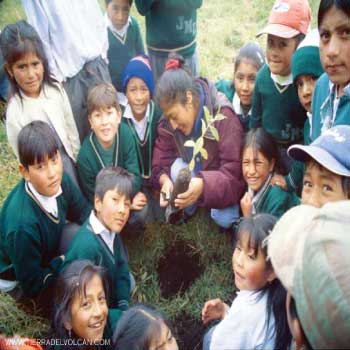
Realizamos trabajos de reforestación de los páramos del Parque Nacional Cotopaxi, sembrando más 500.000 árboles nativos.

manejo de desechos
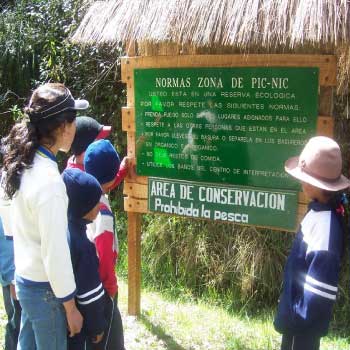
Apoyamos el adecuado manejo de desechos, realizando estudios, mingas, diseño de manuales, señalización y capacitación.

EDUCACIÓN
Hemos trabajado con los habitantes de poblaciones aledañas en base a capacitaciones, charlas y cursos en temas de consevación, desarrollo sostenibles, entre otros.
señalización
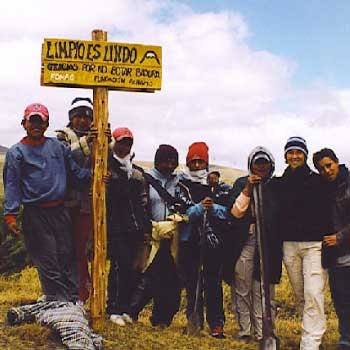
Colocación de letreros en los barrios y letreros con información de conservación.
MANEJO DE SENDEROS
Creación y mantenimiento de senderos para caminatas, bicicletas, caballo o mixtos que procuran el mantenimiento del ambiente natural.
Los que nos motiva
Nuestra Misión
El objetivo de la Fundación Páramo es la conservación de la naturaleza y el desarrollo las distintas actividades humanas en coordinación con la preservación del medio ambiente. Trabajamos en la zona del Parque Nacional Cotopaxi y su zona de amortiguamiento desde 1992. Declaración de 75.000 hectáreas en la zona de amortiguamiento del Parque Nacional Cotopaxi como bosque protector Acuerdo 100 y reforma acuerdo 25.